Christian, 27, works as a Paid Search Specialist and is a self-taught investor living in Pennsylvania. He spends about an hour and a half per week on investment and financial literacy activities.
Transcript of Christian's audio
It started off with just making those recurring investments, starting off at, you know, from $5 to $10, $50 to $100 a paycheck and like ramping up. And then just seeing my investment portfolio increase and increase and add another zero and it just it took time. It took years, years, five years. And that's not even a long time in the grand scheme of things. But imagine how far off you'd be if you would start investing in your 20s. And you stay disciplined and you lived another 30 years… to see what that turned into.
Christian hopes to achieve financial freedom and retire at a younger age.
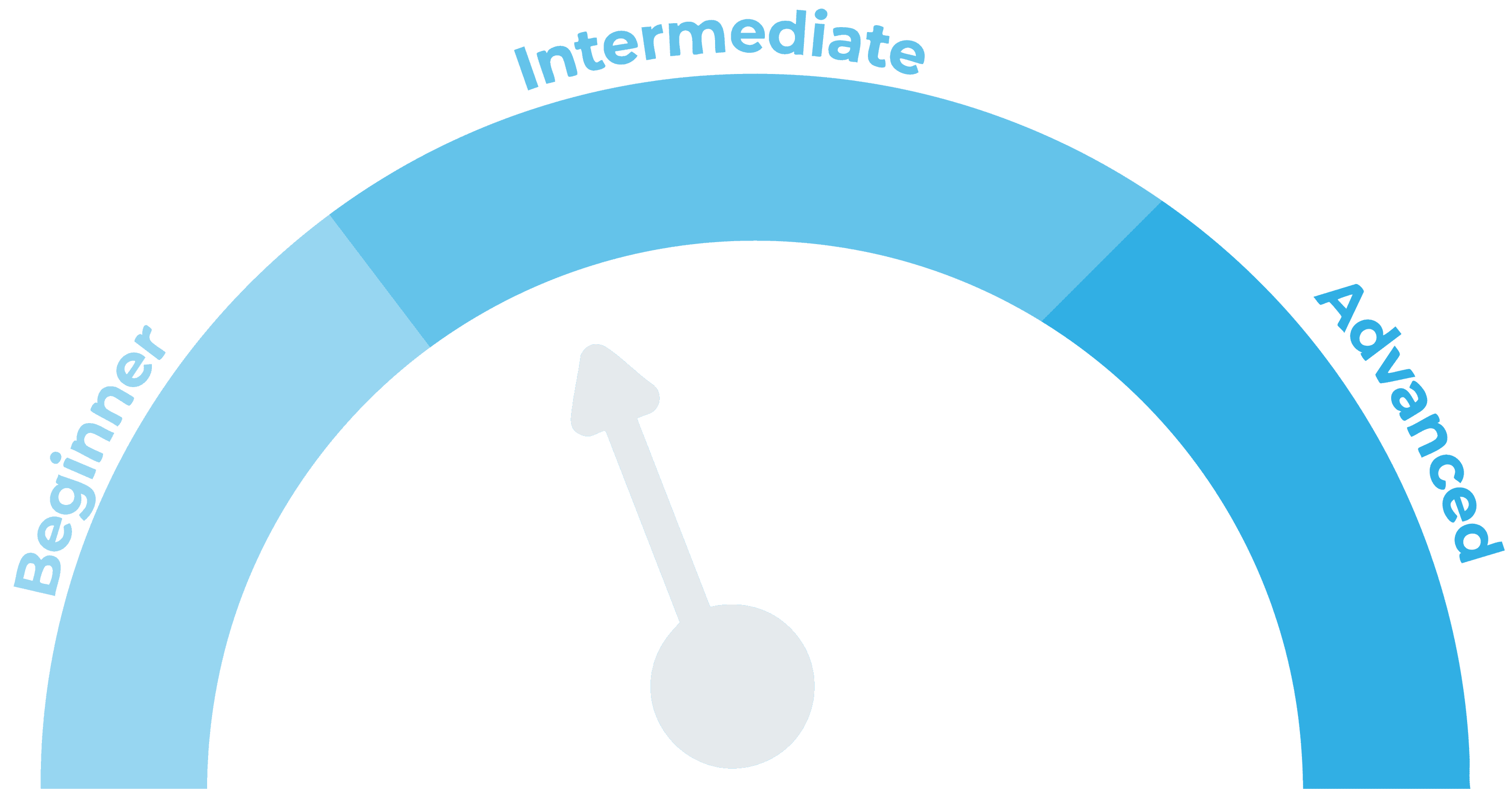
2-3 years active investing; 5 years since opening account
Christian, 27, works as a Paid Search Specialist and is a self-taught investor living in Pennsylvania. He spends about an hour and a half per week on investment and financial literacy activities.
Diary Entry 2, June 2025
A Steady Goal
Christian, 27, has remained steadfast in his goal to gain financial freedom and retire early since opening his investing account five years ago. He spends about two to three hours weekly investing casually and three to four hours when actively adjusting his portfolio. This is a sharp increase since March. For a short period, he reduced his time from 1.5 hours per week to 30 to 45 minutes every week to avoid fixating on his finances. This change was due to the realization that checking his account too often could be addictive.
I noticed that [what] I was doing, in December, more than anything, was just looking every single day. And I think that could be [an] unhealthy behavior.”
Finding The Right Path Forward
Christian—while having a keen interest in beginning investing—delayed getting started by one year because he was pursuing additional education and knowledge, especially information on long-term strategies.
For Christian, this was the hardest barrier to starting his investments. Growing up with little exposure to finance and investing, he believed that the best strategy was to buy stocks and sell them frequently, commonly known as “day trading.” However, Christian was able to expand his knowledge through online resources, gradually understanding key concepts like ETFs, dollar-cost averaging, diversification, retirement accounts, and the difference between short- and long-term strategies. From his learnings, he realized that having recurring investments was easier than investing like a day trader. He then switched to a long-term mindset, focusing on stocks and products he could hold onto, which yielded more success than his previous strategy.
I am satisfied that I took the past couple of years… to really double down in my learning about investing so that I could be in the position I am today.”
When he began to get serious about his long-term strategy—armed with a basic understanding of investing to help make informed decisions—Christian reviewed a stock’s history and the current market. He then referenced financial education materials such as ChatGPT Pro to answer financial questions and plan strategies. Additionally, he used a network tracker to determine fund allocations. Christian further followed the advice of personally vetted finance influencers and content creators on social media.
There’s a lot of information out there that is fluff, that is disingenuous. You need to be able to distinguish between that and what is true and makes sense.”
He now mostly uses YouTube, ChatGPT Pro, and the network tracker as his main sources of information. His approach to choosing what to invest in consists of understanding the company’s earnings, revenue, and performance trends, while also considering market sentiment. He now focuses less on timing the market and more on dollar-cost averaging, which reduces the stress and minimizes the focus on short-term market fluctuations. Christian further focuses on ETFs in multiple markets and sectors, such as real estate and technology, to select a variety of stocks.
He considers himself a moderate risk-taker, seeing risky investments such as crypto as speculative, lacking historical performance, or relying heavily on future growth. His tolerance levels prompt him to favor companies with strong fundamentals and consistent results.
Small Bumps on The Road
Like many people, Christian had a few bumps on the road. He adjusted his budget to make room for increased personal expenses. He further invested in altcoins, which have not yielded any results.
The market downturn in Spring 2025 also prompted him to invest less, adjusting his monthly allocation strategy within his recurring investments with 20% allocated to individual stocks and 80% of his investments in ETFs. He also previously focused on saving funds for potential ‘Black Swan’ events by decreasing his recurring investments from over $300 weekly to $50.
Even with these changes, Christian’s investments are at an all-time high, with his balance increasing from $73,036 to $75,363 since February. He hopes to use his savings to capitalize on opportunities in the market by increasing his investments in ETFs while being open to more risks based on political and economic shifts (i.e., bonds, treasuries, and renewable energy). Christian invested more during the downturn, taking advantage of lower stock prices and only doing so when he has funds available.
In his eyes, the hurdles—including market conditions—are only temporary, putting a slight dent in his plans. Christian feels confident in his ability to benefit from either a market upturn or downturn.
His new strategy can take him closer to his goal of retiring early by saving enough money to live off the interest he accumulates—a more practical approach that fits his personal financial needs.
I’m aiming for the stars and as long as I land on the moon, I’m satisfied.”
Diary Entry 1, March 2025
An Evolving Investment Strategy
Christian began investing early, researching different types of investment platforms. In 2018, he opened an investing account with $200 and periodically deposited a few hundred dollars in the first couple of years. Over time, his investment strategy has evolved from a more passive approach—like using fintech platforms to invest small amounts and explore ETFs—to a more active approach with regular deposits by 2023.
Christian has since maintained a recurring biweekly transfer to his investment holdings while adjusting the contributions based on his financial priorities and market sentiment. When prioritizing the growth of his investing principal, these transfers range from $500-$1,000. More recently, however, he has reduced this amount to $50 due to his belief in an imminent market correction.
Balancing Ambition with Realistic Goals
When Christian first began investing, he knew he wanted to become a millionaire. Initially, he had an aggressive investing strategy and eventually realized the difficulty of investing large amounts for the long-term. He changed his approach to setting more incremental and actionable goals, such as focusing on gradual progress and continuous growth. “It doesn’t happen overnight,” he says. “Rome wasn’t built in a day, nor is investing. It takes time and effort and patience.”
It started off with just making those recurring investments, starting off at, you know, from $5 to $10, $50 to $100 a paycheck and like ramping up.”
Grateful for the Opportunity
Christian hopes to achieve financial freedom and retire at a younger age. After almost three years of investing in multiple automated investment platforms, he is grateful for the growth he is seeing in his accounts; something previous generations of his family did not have the privilege of doing. Looking ahead, Christian wants to take advantage of his available financial resources to provide opportunities for his family.
“Unless you come from a position of wealth and money, which I don’t, then it is very difficult to get into investing in stocks and investments”, he says. “I’m just taking full advantage of the life that I have and taking advantage of the resources that are provided to get into investing.”
Unless you come from a position of wealth and money, which I don’t, then it is very difficult to get into investing in stocks and investments. I’m just taking full advantage of the life that I have and taking advantage of the resources that are provided to get into investing.”
Christian’s Investment Accounts Balance
We use cookies on our site to improve the browsing experience. You can manage this via your browser settings at any time. To learn more about how we use cookies, please see our Privacy Policy.